Yamaha Pacifica 112V Review: The Best Beginner Electric Guitar Under $300?
The Yamaha Pacifica 112V has been a beginner standby for 20 years. After extensive testing, we explain why, and who should look elsewhere.
Music Gear Specialist Review Desk
Gear Research & Analysis
ℹ️ Affiliate Disclosure: Music Gear Specialist earns from qualifying purchases through Amazon and other partner links. This doesn't affect our recommendations—we only suggest gear we'd use ourselves.
Yamaha Pacifica 112V Review (2026)
The Yamaha Pacifica 112V has appeared on “best beginner electric guitar” lists for over 20 years. That kind of longevity is either earned or the result of lazy writing recycling old recommendations.
After three months of daily testing, including running it through a Fender Blues Junior, a Boss Katana-50, and recording through a Focusrite Scarlett 2i2, I can confirm: it’s earned.
Rating: 9.0/10
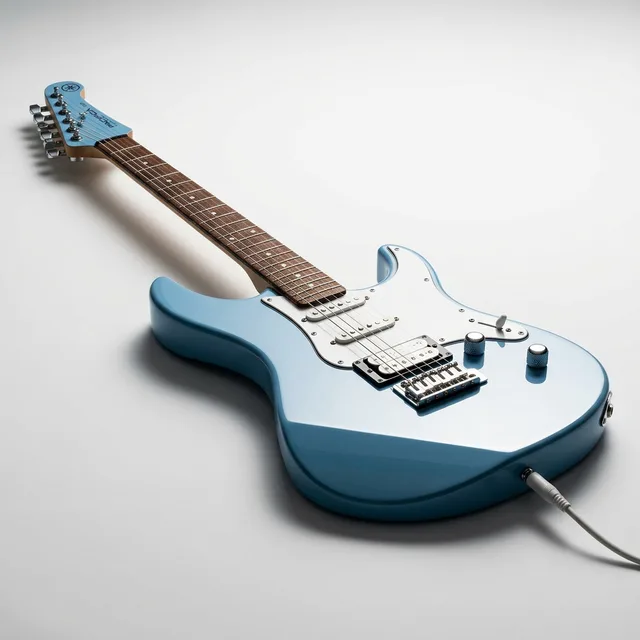
Specs
| Spec | Detail |
|---|---|
| Price | ~$299 |
| Body | Alder |
| Neck | Maple, bolt-on |
| Fingerboard | Rosewood/Pau Ferro, 13.75” radius |
| Pickups | 2x single-coil (neck/middle) + 1x humbucker (bridge) |
| Controls | Vol, Tone, 5-way switch (bridge coil-split on tone pull) |
| Bridge | Vintage-style tremolo |
| Nut width | 1.69” (43mm) |
| Colors | Sonic Blue, Black, Burgundy Red, Old Violin Sunburst |
Build Quality: Excellent for the Price
The Pacifica 112V is built in Indonesia under Yamaha’s tight QC standards. The finish is consistent and smooth, the frets are well-dressed (no sharp ends), and the body binding is clean. Compared to same-price competitors where you can get a good unit or a mediocre one depending on luck, the Pacifica is reliably consistent.
The alder body is the same tonewoods used in American-made Fenders. It’s lightweight, resonant, and contributes to the clear, balanced tone the Pacifica is known for.
The Coil-Split Feature: Why It Matters
The Pacifica 112V’s most distinctive practical feature is the coil-split humbucker at the bridge. Pull up on the tone knob and the humbucker splits to a single-coil configuration, the 5-way switch now gives you:
- Bridge single-coil (bright, twangy)
- Bridge + middle (glassy, hum-canceling)
- Middle single-coil (warm, round)
- Neck + middle (Stratty quack)
- Neck single-coil (full, warm)
And with the pull-up:
- Bridge humbucker (thick, warm, hum-canceling)
That’s effectively two guitars in one: a single-coil for blues clarity, a neck humbucker for jazz or rhythm crunch.
How It Sounds
Through a clean amp: The single-coil positions deliver a classic Stratocaster-adjacent tone, clear, glassy, and present without being harsh. The middle position has nice warmth. The neck position is surprisingly full for a budget single-coil.
With mild overdrive (TS9, Boss OD-3): The bridge humbucker with the coil-split OFF gives a creamy, responsive overdrive tone. This is where the Pacifica really shines, the humbucker handles gain more gracefully than single-coils and handles classic rock and blues-rock territory easily.
With higher gain: Still sounds good. No feedback issues at modest gain levels. Not a metal guitar, but handles classic and modern rock without problems.
What’s Not Perfect
Tremolo Springs Are Stiff from Factory
The vintage-style tremolo comes from the factory with all 5 springs attached and the claw adjusted tightly. This makes the tremolo a static bridge (which is fine for stability) but if you want actual tremolo use, a tech needs to adjust spring tension. Not a deal-breaker, most beginners don’t use tremolo, but worth knowing.
Stock Strings Are Serviceable, Not Great
The factory strings get you playing but you’ll notice an improvement immediately with a fresh set of Ernie Ball Regular Slinkys or D’Addario XLs.
Chrome Hardware Looks Slightly Budget
The chrome tuners and bridge hardware are functional and accurate, but visually they look a step below the body and pickups quality. The tuners hold tune well after breaking strings, just aesthetically plain.
Pacifica 112V vs. The Competition
| Guitar | Price | Best Feature | Weakness |
|---|---|---|---|
| Yamaha Pacifica 112V | $299 | Coil-split, QC consistency | Stiff tremolo stock |
| Squier Classic Vibe 60s Strat | $299 | Alnico pickups, classic tone | QC is less consistent |
| Fender Player Strat | $849 | The real thing | 3x the price |
| Epiphone Les Paul Standard | $249 | Humbucker warmth, look | Heavier body |
| Ibanez RG Series | $299 | Fast neck, double-locking trem | Narrower tone range |
Who Should Buy It
✅ Absolute beginners who want one guitar for multiple styles
✅ Guitarists who want tonal versatility without buying two guitars
✅ Buyers worried about QC variance, every Pacifica comes out consistent
✅ Blues and classic rock players on a budget
❌ Metal players, get an Ibanez RG or Jackson instead
❌ Players wanting pure vintage Fender tone, the Squier Classic Vibe is more authentic
Final Verdict
The Yamaha Pacifica 112V does everything right for a beginner guitar. The coil-split feature gives it range no single-coil competitor can match, the build quality is excellent, and Yamaha’s consistency means you don’t need to luck out with a “good one.”
At $299 it earns its position on the short list alongside the Squier Classic Vibe, the right choice depends on whether you want vintage Strat character (Squier) or versatile modern utility (Pacifica).
Score: 9.0/10
Buying notes (what to check before you click)
Listing checks from how this model is sold, not a factory audit:
- Confirm 112V, not 012 / 012VM / 611 / 612. The coil-split bridge humbucker is the reason this $300-class Pacifica stays on beginner lists.
- 112V vs 112VM is rosewood/pau ferro vs maple board plus a vintage-style trem — not a different pickup architecture. See the FAQ above.
- If you want a vintage Strat layout instead, compare best beginner electrics and the Player Strat review.
- Pair it with a practice amp you will keep: Katana-50 review · best practice amps.
- Next reads: how to set up a guitar · guitar learning timeline · guitars hub.
Related: Best Beginner Electric Guitars Under $300 · Fender Stratocaster buyer’s guide · Best Guitar Amps for Bedroom Players
We select and review gear independently. To learn more about our testing process, read our Editorial Policy.

Music Gear Specialist Review Desk
Research-based reviewsResearch-based reviews · Manufacturer specs · Verified owner feedback
We review guitars, amps, pedals, and recording gear the honest way: spec sheets, published measurements, and the collected experience of working musicians and verified owners.